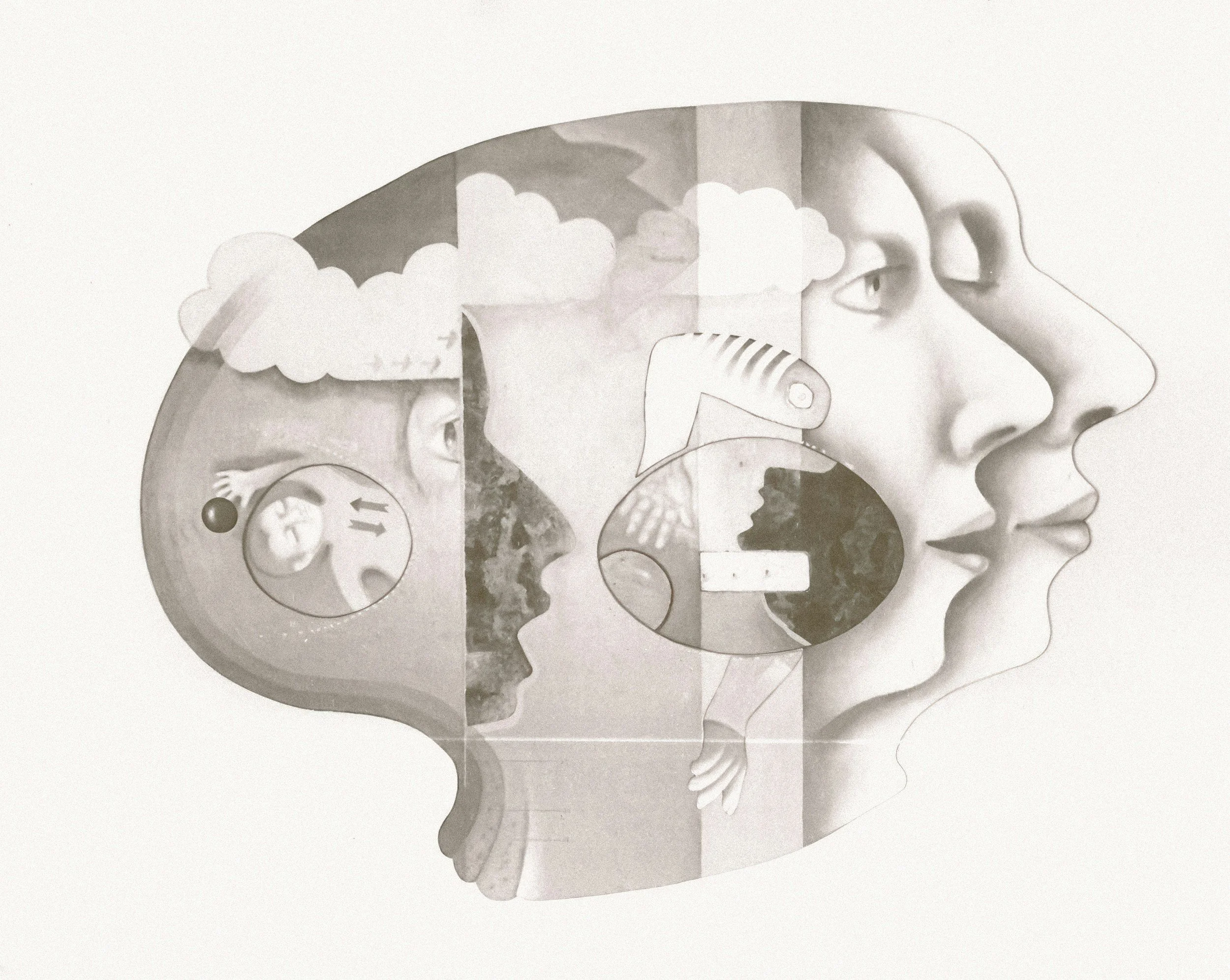
Compliance is necessary. The more interesting question is what kind of culture grows around it and what makes people willing to speak, question, notice and improve?
What happens after we comply?
Compliance is an interesting word.
It carries the weight of rules, procedures, standards, expectations.
In a regulated environment, these things matter deeply. They create boundaries within which people can work safely and consistently. They protect patients. They protect products. They protect the integrity of what we do.
But I have been wondering about what happens after the rule has been followed.
What happens in the space between meeting the requirement and wanting to make something better?
This is where quality culture begins to reveal itself.
Not in a policy.
Not in a training module.
Not even necessarily in an audit.
But in the small, everyday moments when someone notices something and decides it is worth paying attention to.
A deviation that could be closed or understood.
A process that works but could work better.
A recurring problem that everyone has learned to live with.
A question that feels slightly uncomfortable to ask.
A piece of information that doesn't quite fit the story we have been telling ourselves.
What happens then?
It takes courage to notice.
Quality asks us to see. And seeing is not always comfortable.
Sometimes what we notice challenges our assumptions, our processes, our decisions, or even our own contribution to what is happening.
Speaking about it requires something more than knowledge.
It requires courage.
The courage to say I don't understand. I think something is wrong. Could we look at this differently? There may be something here we haven't considered. I made a mistake.
These are simple sentences. Yet the culture around us determines how easy (or difficult) it is to say them.
Courage needs somewhere safe to land.
This is where trust enters the picture.
People do not suddenly become courageous because an organisation tells them to "speak up."
They become more willing to speak when they experience, repeatedly, that speaking is received with curiosity rather than punishment; that raising a concern leads to attention rather than dismissal; that admitting a mistake creates an opportunity to learn rather than simply someone to blame.
Trust is built in these moments.
Quietly.
Through behaviour.
And perhaps this is one of the most important things we can examine when we talk about quality culture: what does our behaviour teach people about what is safe to say here?
Culture is not only what we say we value.
It is what people learn to do in response to what happens around them.
Mindset becomes behaviour.
We often talk about mindset as though it were something we can install.
A growth mindset.
A quality mindset.
A continuous improvement mindset.
But mindset becomes visible only through behaviour.
What do we do when the answer isn't obvious?
Do we become curious?
Do we ask another question?
Do we look for the signal inside the noise?
Do we invite a different perspective?
Do we escalate early?
Do we pause?
Do we learn?
Do we change something even when nobody is asking us to?
These behaviours gradually become patterns.
Patterns become expectations.
Expectations become culture.
And culture, eventually, becomes the environment in which quality either flourishes or quietly erodes.
So what does quality excellence ask of us?
”Are we compliant?” is the easiest (and laziest) to ask.
I invite you instead to inquire on what we are paying attention to.
What are we learning?
What are people willing to tell us?
What happens when someone challenges the way things have always been done?
Where do we see courage in our organisation?
Where might we be (unintentionally) teaching people to stay silent?
What behaviours would we see more often if trust were stronger?
Underneath all of these questions, there is another one: “Do we have the presence and the will to make something better when nobody is requiring us to?”
This is where I see quality culture becoming something much more alive.
Not a programme.
Not a campaign.
Not another set of behaviours printed on a wall.
But a collective practice of paying attention.
Of questioning.
Of learning.
Of having the courage to see what is there.
And the trust to do something with what we see.
Maybe quality excellence begins in that space. The space where compliance has been met and curiosity begins.
If you’re interested in learning more about my services and would like to discuss any consultancy, workshops, talks, please reach out.
Consider also subscribing to the newsletter to stay updated and receive weekly inspiration.
Every month, I spend hours and resources for you to receive both the newsletter & blog regularly and free. A thoroughly one-woman labor. If this labor makes your own life more livable in any way, please consider aiding its sustenance with a one-time or loyal donation. Your support makes all the difference. Donation link here.