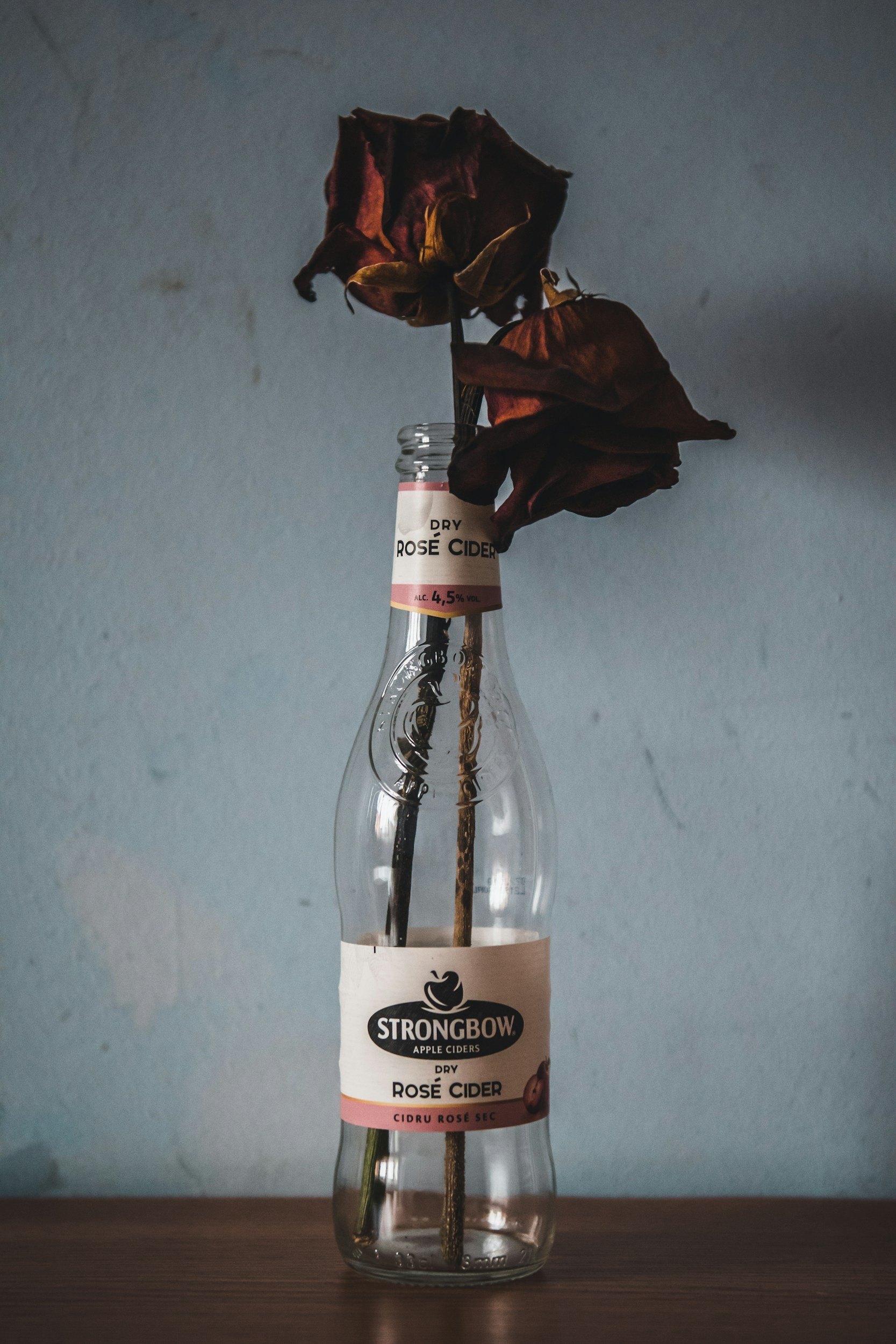
What if patience is not always a virtue, but sometimes evidence that we've normalized what should never have been acceptable?
Many qualities we celebrate as virtues become mechanisms of exclusion when they are expected of some people far more than others. Patience is a virtue when it is freely chosen. It becomes a burden when it is assigned according to gender.
"Patience" is not distributed as a universal virtue but as a gendered expectation.
I wonder whether we ask women to be patient because we still carry the cultural expectation that women should be caring, accommodating, safe, and soft.
Patience, then, becomes less of a virtue and more of a duty.
Men, on the other hand, are more often expected to be strong, decisive, assertive. We are less likely to ask them to exercise softness in the face of disrespect.
The result is not simply different expectations. It is that the work of preserving relationships, workplaces, and social harmony is disproportionately placed on those expected to endure.
Perhaps respect, not patience, is what we should be asking for.
Women are consistently stereotyped as warmer, more caring, nurturing, and communal, while men are stereotyped as more assertive, agentic, and decisive. These stereotypes remain remarkably stable across studies.
Research on benevolent sexism shows that these seemingly "positive" expectations ("women are naturally kind," "women are better caregivers") reinforce traditional gender roles and influence workplace treatment and opportunities.
A large study on workplace feedback found that people prioritize being kind when giving critical feedback to women much more than to men, precisely because women are expected to embody warmth.
Recent workplace research also found that more than 80% of women managers reported spending at least 30% of their workweek on emotional care, listening, supporting colleagues, and monitoring others' well-being, what researchers call the "empathy tax."
Women are socially expected to preserve harmony. Men are socially expected to demonstrate agency.
That means when conflict or disrespect occurs, women are more likely to be encouraged to accommodate, understand, wait, or soften, whereas men are more likely to be encouraged, or at least permitted, to confront, negotiate, or leave.
Women are more often expected to preserve relationships. Men are more often expected to preserve status.
I invite you to ask yourself:
Whose patience do you praise most often?
When you tell someone to "be patient," are you actually asking them to tolerate?
When a man and a woman respond to the same disrespect, do you judge their reactions differently?
What qualities do you unconsciously expect from women that you don't equally expect from men?
Who benefits when patience is praised more than accountability?
If you’re interested in learning more about my services and would like to discuss any consultancy, workshops, talks, please reach out.
Consider also subscribing to the newsletter to stay updated and receive weekly inspiration.
Every month, I spend hours and resources for you to receive both the newsletter & blog regularly and free. A thoroughly one-woman labor. If this labor makes your own life more livable in any way, please consider aiding its sustenance with a one-time or loyal donation. Your support makes all the difference. Donation link here.